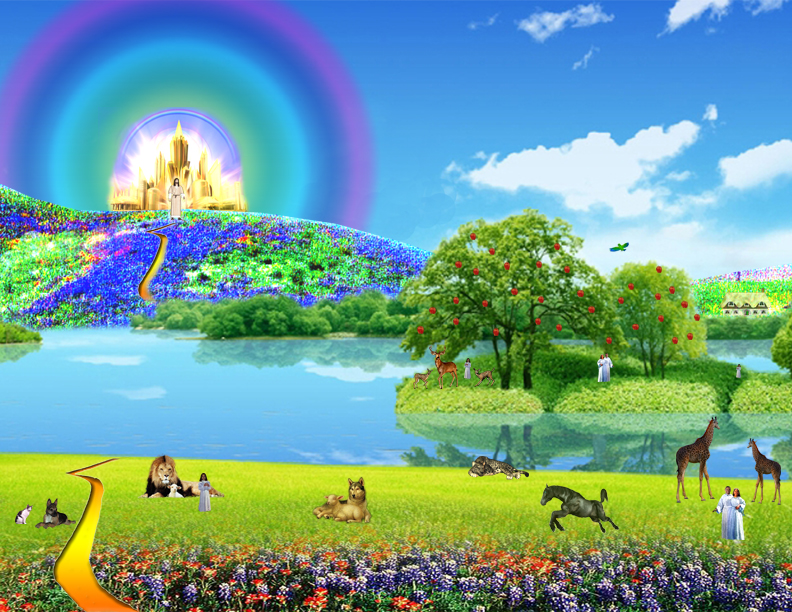
Choosing the right approach to paradise imagery unveiled starts with clear context, practical filters, and realistic expectations.
Introduction to Heavenly Paradise
The concept of a heavenly paradise has been a cornerstone of human imagination and spirituality for centuries. It represents a realm of eternal bliss, peace, and beauty, where the soul finds its ultimate solace. The depiction of such a paradise has been a subject of fascination in art, literature, and religion, with each culture and faith offering its unique interpretation. Pictures of heavenly paradise not only reflect the deepest desires and hopes of humanity but also serve as a source of inspiration and comfort.
The Significance of Paradise Imagery Pictures of heavenly paradise hold a profound significance that transcends mere aesthetic appeal. They embody
the collective aspirations of humanity for a utopian existence, free from suffering and sorrow. These images often feature lush gardens, serene landscapes, and majestic architecture, symbolizing the harmony and perfection that humanity strives for. Moreover, they serve as a reminder of the transience of earthly life, encouraging individuals to reflect on their values and the path they choose to follow.
Cultural and Religious Interpretations
Different cultures and religions have their distinct representations of heavenly paradise, reflecting their unique beliefs and values. For instance, the Islamic concept of Jannah is described as a garden of bliss, with rivers of milk and honey, and trees bearing fruits of every kind. In Christianity, heaven is often depicted as a realm of light, where the righteous dwell in the presence of God. Similarly, in Hinduism and Buddhism, the concept of paradise is associated with the attainment of spiritual liberation, or Nirvana.
The Impact of Paradise Imagery on Art and Literature
The allure of heavenly paradise has inspired some of the most breathtaking works of art and literature throughout history. From the majestic frescoes of Michelangelo in the Sistine Chapel to the poetic verses of Dante's Divine Comedy, the theme of paradise has been a recurring motif. These works not only reflect the artistic and literary genius of their creators but also the deep-seated human desire for transcendence and eternal beauty.
Challenges in Depicting Paradise

Despite its profound influence on human imagination, capturing the essence of heavenly paradise through pictures or words is a daunting task. The abstract nature of such a concept makes it challenging to convey its true essence, which often lies beyond the realm of visual or linguistic expression. Artists and writers must rely on metaphors, allegories, and symbolism to convey the depth and complexity of the human experience of paradise.
Overcoming Creative Limitations To overcome
these creative limitations, many artists and writers turn to their personal experiences, beliefs, and emotions as a source of inspiration.
They may draw upon their understanding of nature, human relationships, and spiritual practices to craft a representation of paradise that resonates with their audience. Additionally, exploring the works of others, both past and present, can provide valuable insights and spark new ideas, enabling creators to push the boundaries of their imagination.
The Role of Technology in Paradise Imagery
The advent of digital technology has revolutionized the way we create, share, and experience pictures of heavenly paradise. Software such as Adobe Photoshop and Illustrator, along with 3D modeling tools, have empowered artists to craft intricate and realistic depictions of paradise with unprecedented ease and precision. Furthermore, social media platforms and online galleries have made it possible for these works to reach a global audience, fostering a sense of community and shared inspiration among those who create and appreciate such imagery.
Top Software for Creating Paradise Imagery
Here are some of the
- top software options for creating stunning pictures of heavenly paradise:
- Adobe Photoshop - Industry-standard for photo editing and manipulation.
- Blender - A free, open-source 3D creation software for modeling and rendering.
- SketchUp - A user-friendly tool for creating detailed 3D models of architectural and natural environments.
- Corel Painter - A digital painting program that mimics traditional media.
- Autodesk Maya - A powerful 3D computer animation, modeling, simulation, and rendering tool.
Realistic Use Cases and Examples
Pictures of heavenly paradise are not merely confined to the realm of art and literature; they have practical applications in various fields. For instance, in therapy and counseling, visuals of serene and peaceful environments can help patients relax and focus on their recovery. In architecture and interior design, concepts of paradise can inspire the creation of spaces that promote well-being and harmony. Moreover, in education, using images of paradise can facilitate discussions on ethics, morality, and the human condition, encouraging students to reflect on their values and aspirations.
Common Misconceptions and Limitations

While pictures of heavenly paradise can evoke powerful emotions and inspire profound thoughts, it's essential to recognize common misconceptions and limitations associated with these depictions. One such misconception is the tendency to view paradise as an unattainable or exclusive realm, rather than as a state of mind or a way of living that can be cultivated in the present. Another limitation is the risk of cultural or religious appropriation, where symbols and themes are used out of context, lacking the deeper understanding and respect they deserve.
Conclusion
Pictures of heavenly paradise serve as a window into the human soul, revealing our deepest longings for peace, beauty, and transcendence.
As we continue to explore and interpret this concept through art, literature, and technology, we are reminded of the boundless potential of human creativity and the universal language of imagination. Whether as a source of inspiration, a tool for reflection, or a means of expression, the depiction of heavenly paradise will undoubtedly remain a vital and evolving aspect of human culture and experience.
FAQs
- What is the significance of paradise in different cultures?
- The concept of paradise varies significantly across cultures, reflecting local beliefs, values, and mythologies. It often symbolizes a utopian state of existence.
- How does technology influence the creation of paradise imagery?
- Technology, such as digital painting and 3D modeling software, has made it easier for artists to create detailed and realistic depictions of paradise, with greater precision and speed.
- What are some common themes in pictures of heavenly paradise?
- Common themes include serene landscapes, majestic architecture, and symbols of peace and harmony, such as rivers, trees, and light.
- Can pictures of paradise be used in therapeutic settings?
- Yes, visuals of peaceful and serene environments can be beneficial in therapy, helping patients to relax and focus on their well-being.
- How do artists overcome the challenge of depicting an abstract concept like paradise?
- Artists often draw upon personal experiences, beliefs, and emotions, as well as exploring the works of others, to craft a representation of paradise that resonates with their audience.
- What role does symbolism play in the depiction of heavenly paradise?
- Symbolism is crucial, as it allows artists to convey complex ideas and emotions through metaphors and allegories, making the abstract concept of paradise more tangible and relatable.
- Are there any notable historical works of art that depict paradise?
- Yes, works such as Michelangelo's Sistine Chapel ceiling and Dante's Divine Comedy are renowned examples of paradise imagery in art and literature.